Why Your Roof Needs a Chimney Cricket
When severe weather rolls through West Bend, most homeowners immediately worry about missing shingles or obvious storm damage. But some of the most persistent and damaging roof leaks don't come from a missing shingle at all—they originate right at the base of your chimney. If you have ever stared at a water stain on your ceiling and wondered how water is getting in, the culprit might be a missing or improperly installed roofing component that many people have never even heard of.
Homeowners are often skeptical of roofing recommendations, and rightly so. The industry has its share of fast-talking salespeople who push unnecessary upgrades. At Roofers Roofing, our military background means we operate differently. We believe in total transparency, accountability, and educating our customers so they can make the best decisions for their homes. That is why during our comprehensive roof inspections, we pay special attention to the area around your chimney to ensure it meets current building codes and can withstand our harsh local climate.
If your chimney is wider than 30 inches, or if it sits at the bottom of a long, sloping roof section, a simple flashing job isn't enough. You need a dedicated structure to manage water and snow runoff. In this guide, we will explain exactly how this small but mighty addition protects your home, saves you money on future repairs, and keeps your living space dry year-round.
Understanding the Chimney Cricket
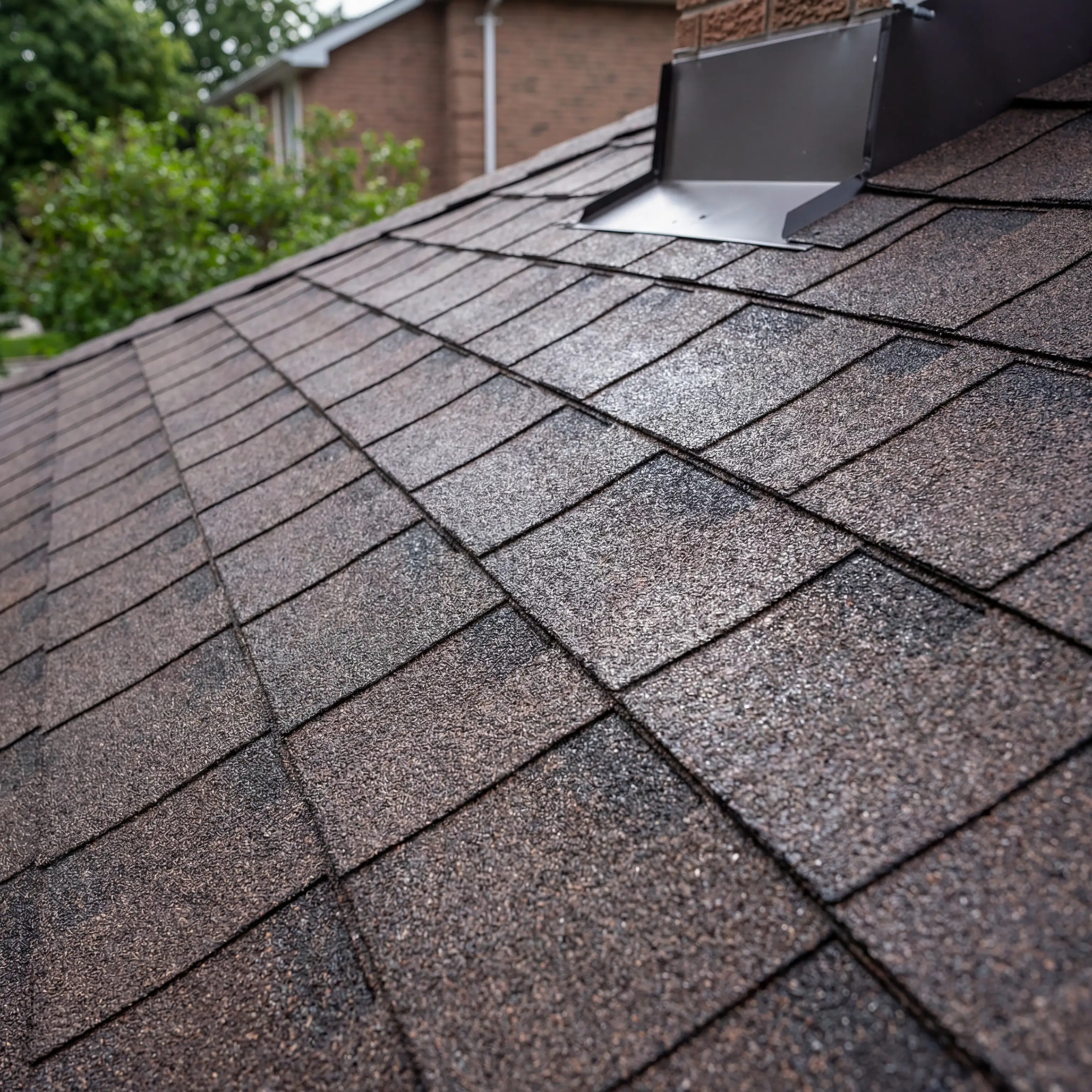
If you are wondering what is a chimney cricket on a roof, you are not alone. A chimney cricket—sometimes called a saddle—is essentially a miniature, peaked roof built right onto your main roof, positioned directly behind the chimney.
To understand why it is so critical, imagine the physics of your roof during a heavy downpour. Your roof is designed to shed water downward. When that sheet of water slides down the slope and hits the flat, vertical back of a chimney, it stops. Without a cricket, that water simply pools against the masonry and the flashing. During the winter, this problem multiplies. Heavy snow slides down the roof and packs tightly against the chimney's back side. As the heat from your home escapes into the attic, that snow melts, pools, and refreezes, contributing to severe ice dams.
Wisconsin winters are brutal on homes, and the constant freeze-thaw cycles accelerate roof deterioration. The lake effect snow and ice can easily force standing water under your shingles and through your flashing, leading to rot in your roof decking. A cricket solves this problem elegantly by acting as a diverter. Just like the bow of a ship cutting through water, the peaked ridge of the cricket splits the flow of water, snow, and debris, directing it safely down the sides of the chimney and into your gutter system.
When you are packing up the family for a weekend trip Up North, the last thing you want to worry about is whether a sudden storm will cause a leak while you are away. Proper water diversion is non-negotiable for long-term peace of mind.
The Strategy Behind Leak Prevention
Knowing how to prevent chimney roof leaks requires a multi-layered approach to your home's defenses. It is not just about nailing down new shingles; it is about creating a watertight roofing system.
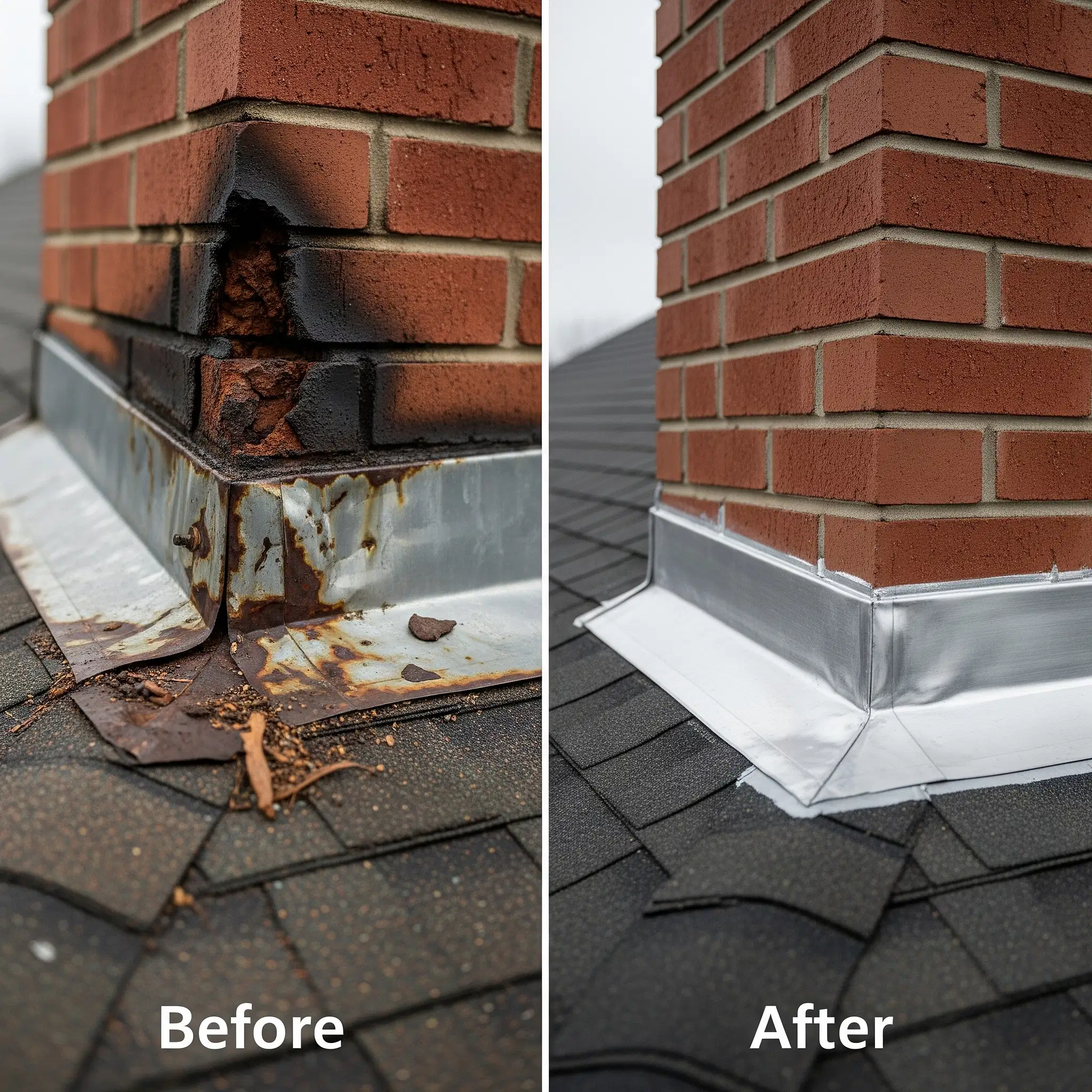
The first line of defense is your flashing—the metal strips that seal the transition between your roof deck and the chimney masonry. Over time, flashing can pull away, rust, or lose its protective caulking. However, relying on flashing alone is a gamble, especially on larger chimneys. This is why chimney flashing repair and cricket installation almost always go hand-in-hand. Upgrading your flashing without addressing the pooling water behind the chimney is like putting a band-aid on a problem that requires a structural fix.
During our thorough evaluations, we frequently encounter older homes that were built before crickets were required by modern building codes. If we find that your chimney lacks this essential feature, we will build a custom wooden frame, deck it, apply a high-quality ice and water shield, and shingle it to match your roof perfectly. We take the time to step flash and counter-flash the entire assembly.
We bring the same dedication to protecting your home as we did to serving our country. If we find unexpected issues during a tear-off—like rotten decking caused by years of poor chimney drainage—we don't just cover it up. We pause the job, document the issue, clearly explain your options, and wait for your approval before proceeding. We include the replacement of up to three rotted decking boards in our standard estimates to absorb minor surprises, ensuring you aren't nickel-and-dimed.
While we expertly handle the roofing side of your chimney, we also know our lanes. If we spot severe masonry deterioration or failing bricks during our inspection, we will recommend a dedicated masonry specialist. Our goal is to provide lasting roof repairs, not temporary patches.
Protect Your Home's Most Vulnerable Points
Your roof is a complex system, and a failure at a single weak point—like the back of your chimney—can compromise the entire structure. Investing in proper water diversion today prevents thousands of dollars in water damage, structural rot, and ruined insulation tomorrow.
At Roofers Roofing, we don't just guess at what your home needs. We utilize video technology during our evaluations to show you exactly what we see up there, including code compliance issues, ventilation needs, and vulnerable areas around penetrations. We want you to feel completely secure and confident in the work being done, knowing that a local, reliable crew is handling the job with military precision and accountability.
If you are noticing water stains, missing shingles, or just want the peace of mind that your older home is ready for whatever the weather throws at it, you betcha we can help. Reach out to Roofers Roofing today to schedule a comprehensive evaluation, and let us make sure your home is fully protected.