What to Do When the Storm Hits: A Homeowner's Guide to Emergency Roof Tarping
The wind howls, the rain comes down in sheets, and a storm rolls in off Lake Michigan with surprising force. It’s a familiar scene for us here in the Sheboygan area. But the familiar sound of the storm is suddenly interrupted by a new one: the drip, drip, drip of water inside your home. Panic sets in. A storm has damaged your roof, and now your home, your belongings, and your peace of mind are at risk. When disaster strikes, knowing the right first steps can make all the difference between a manageable repair and a catastrophic, expensive problem.
This guide is here to walk you through the immediate aftermath of storm damage. We'll cover the critical first actions you should take, explain why professional emergency tarping is the most important step to protect your home, and touch on how to begin navigating the insurance process. Your roof is your home's first line of defense, and taking swift, smart action is key to keeping it that way.
Your First Steps: Safety and Damage Assessment
When you realize your roof is leaking, it's natural to feel overwhelmed. The key is to stay calm and act methodically. Before you even think about the roof itself, prioritize your family's safety.
Here’s what to do immediately after discovering damage:
- Prioritize Safety: If the storm is still active or if there are downed power lines or unstable tree limbs near your house, stay inside and away from the affected areas. If you see sagging ceilings or structural damage, evacuate the area immediately. Your safety is always the number one concern.
- Contain Interior Water Damage: Place buckets, towels, or trash cans under active drips to catch the water and protect your floors and furniture. If possible, move valuable items out of the way.
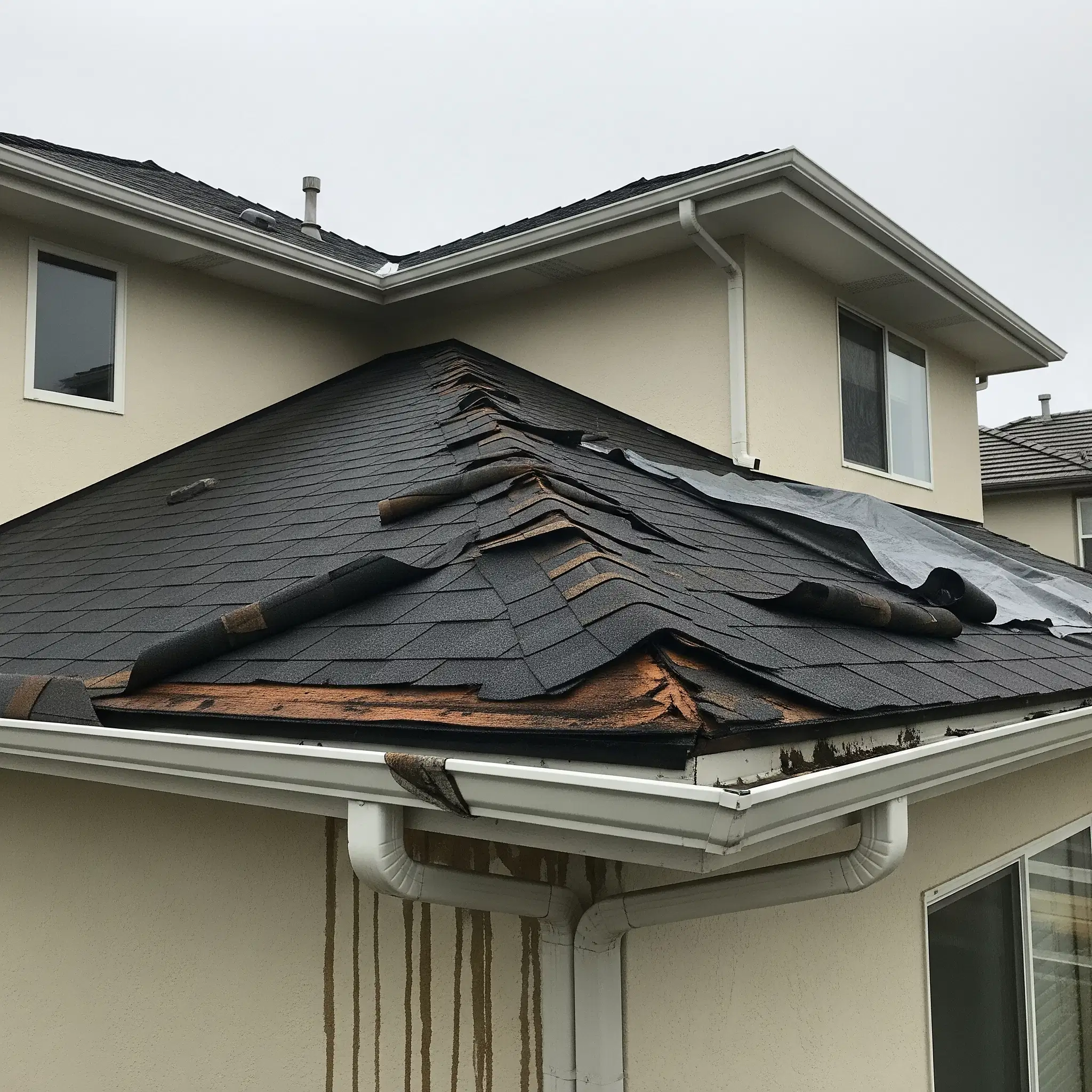
- Document Everything: This step is crucial for your insurance claim. Once it's safe to do so, take clear photos and videos of the damage. Capture the leak from the inside—the ceiling stains, the dripping water—and any visible damage to the exterior of your roof, like missing shingles or fallen branches. The more evidence you have, the smoother your insurance claim aid process will be.
The Critical Role of Emergency Roof Tarping
After you've managed the immediate situation inside, the next priority is to prevent any more water from getting in. This is where professional emergency roofing services come in. An emergency tarp is a temporary but vital solution that covers the damaged area of your roof, acting as a barrier against further rain and wind.
Why is this so important?
- Prevents Further Damage: An open hole in your roof is an invitation for disaster. Every drop of rain that gets in can saturate insulation, damage drywall, ruin electrical systems, and lead to the growth of hazardous mold. Tarping stops the problem from getting worse.
- Protects Your Property: A secure tarp protects not just the structure of your home but also the possessions within it. It buys you the valuable time needed to arrange for a permanent repair without risking further loss.
- It's a Requirement for Insurance: Most insurance policies require homeowners to take reasonable steps to mitigate damage after an incident. Failing to cover a damaged roof could potentially jeopardize your claim. Professional tarping shows your insurer that you acted responsibly.
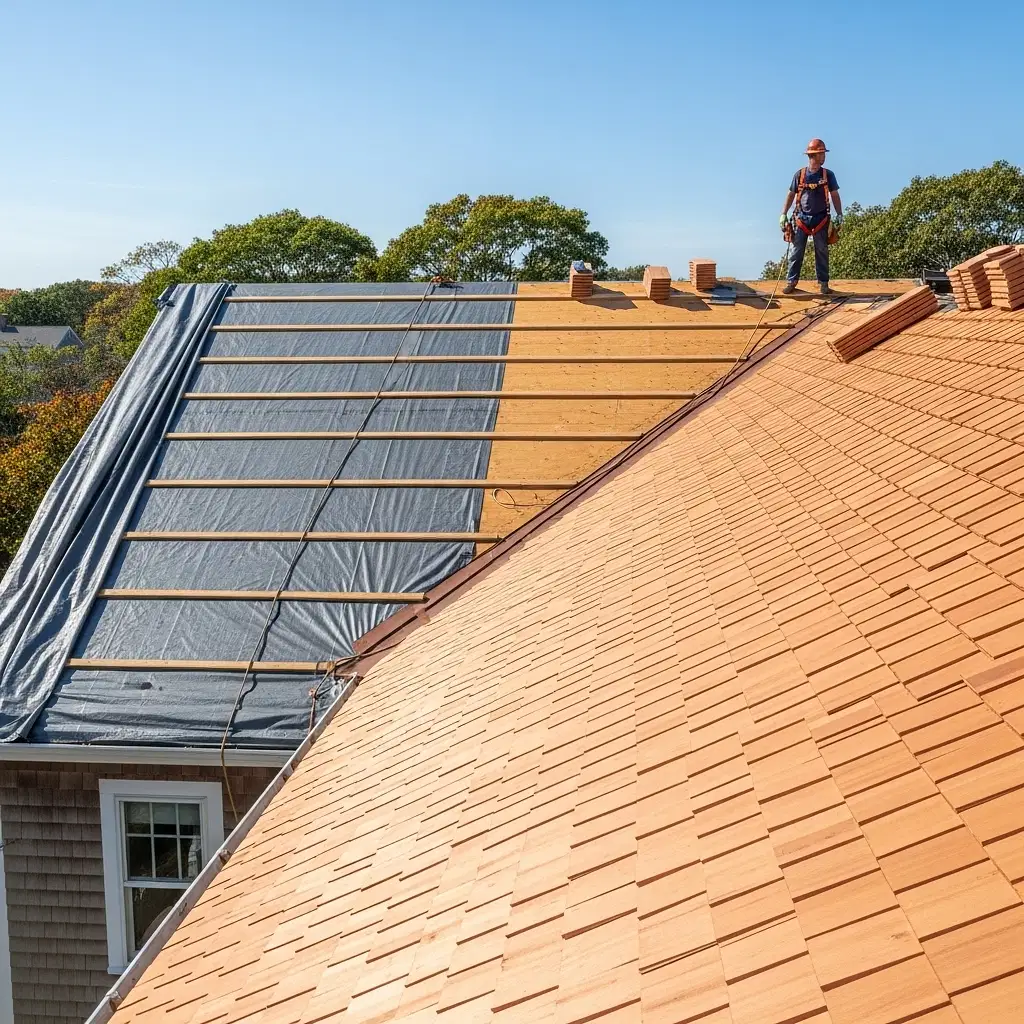
While it might seem like a simple fix, applying a tarp correctly—especially on a wet, sloped surface—is a job best left to professionals. A properly installed tarp is secured tightly to withstand wind and weather, ensuring it provides a watertight seal until permanent roof repairs can be completed.
Navigating the Path to Permanent Repair
With a tarp in place, you've successfully stopped the immediate threat. Now, you can focus on the long-term solution. This involves getting a professional inspection and working with your insurance company.
A reputable roofing contractor will do more than just fix the visible damage. They will conduct a thorough inspection to identify any hidden issues caused by the storm, such as compromised flashing, damaged underlayment, or issues with your roof ventilation. This comprehensive assessment ensures that the final repair addresses the root of the problem, not just the symptoms.
At Roofers Roofing, we understand that dealing with storm damage is stressful. Our team is experienced in not only providing rapid emergency response but also in assisting homeowners with the insurance process. We can provide the detailed documentation and professional assessment your insurance adjuster will need, helping to ensure your claim covers all necessary repairs. We're familiar with the requirements and can help you navigate the paperwork, making a difficult situation a little bit easier.
Don't Wait—Protect Your Home Today
Storm damage is a serious threat to your home, but a fast response can prevent a minor issue from becoming a major catastrophe. Remember the key steps: ensure your family is safe, document the damage, and call a professional for immediate help.
If a storm has compromised your roof, don't hesitate. The team at Roofers Roofing is ready to provide fast and reliable emergency roofing services to homeowners throughout the Sheboygan community. We’ll secure your home, prevent further damage, and help you create a plan for a lasting repair. Contact us today for immediate assistance and peace of mind.