Planning a Late Fall Roof Replacement: What You Need to Know Before the Snow Flies
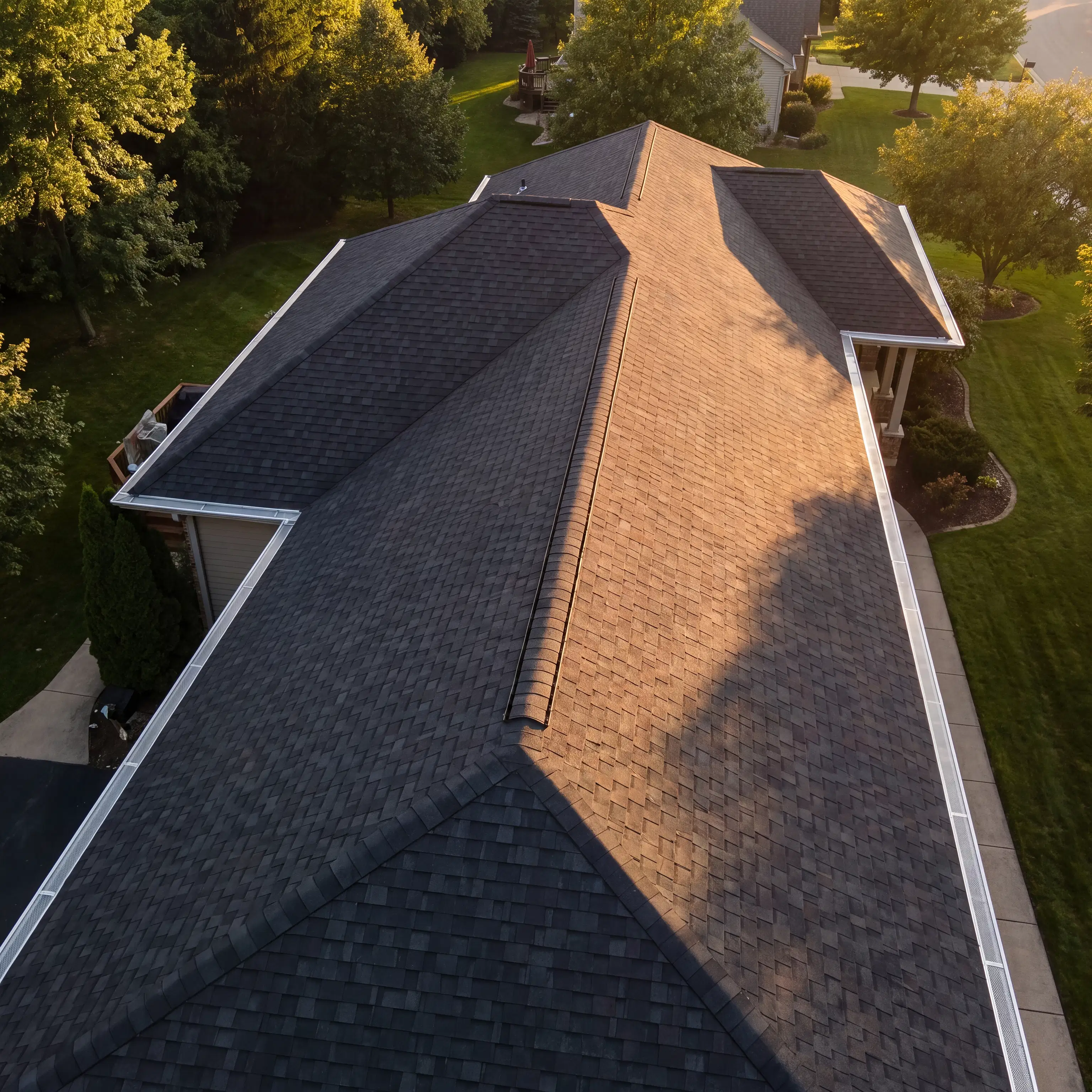
As the leaves begin to change color and the morning air turns crisp, many homeowners take a long look at their homes and wonder if they are truly ready for another harsh winter. If you have noticed missing shingles, experienced minor leaks during autumn storms, or simply know your roof is approaching the end of its lifespan, you might be considering a replacement. But as the days get shorter here in West Bend, a common concern arises: is it too late in the year to start a major exterior project?
It is completely natural to worry about the logistics of home improvement as the weather cools down. Roofing is a significant investment, and you want to ensure the materials will perform properly and your home will be protected during the process. The good news is that late fall can actually be an excellent time to upgrade your home's exterior, provided you understand the specific requirements of cold-weather installations and work with a team that knows how to navigate the changing seasons.
Whether you are preparing to head Up North for the hunting season or just getting your property ready for the inevitable lake effect snow, understanding how temperature, materials, and timing impact your project is essential. Let's explore what goes into a successful late-season installation so you can make an informed decision for your home.

Temperature Requirements and Material Choices
One of the most frequent questions we hear as October and November approach is whether you can you shingle a roof before winter actually sets in. The short answer is yes, but the type of material you choose and the daily temperatures play a crucial role in how the installation is handled.
When installing asphalt shingles in cold weather, the primary concern is the thermal sealant. Asphalt shingles feature a strip of adhesive that relies on the sun's ambient heat to activate and bond the shingles together. If it gets too cold, this sealant won't activate immediately. Late fall roof replacement temperature requirements generally dictate that while crews can work in cooler weather, they must handle the materials carefully to prevent cracking, and the roof may need a few warm, sunny days to fully seal.
Because of these temperature sensitivities, we often recommend booking residential roofing projects for early-to-mid fall when the weather is stable. However, if your timeline pushes into the colder months, there are alternative materials to consider. Steel roofing, such as the EDCO systems we frequently install, is much more forgiving in cold weather. While steel has a higher upfront cost than traditional Owens Corning asphalt shingles, it does not rely on thermal sealants in the same way, making it an excellent option for late-season upgrades. Plus, steel roofs are incredibly durable against freeze-thaw cycles and shed heavy snow with ease.
Beyond the Surface: Defending Against Ice Dams
A new layer of shingles alone won't protect your home if the underlying system isn't functioning properly. Our region's tough winters accelerate roof deterioration, and one of the biggest threats to older homes is the formation of ice dams.
Ice dams occur when warm air escapes from your living space into the attic, melting the snow on the higher parts of your roof. This water runs down to the colder eaves, where it refreezes, eventually creating a dam that forces subsequent melting water back up under your shingles. This can lead to serious water damage inside your walls and ceilings.
To prevent this, our roof inspections go far beyond just looking at the surface. We conduct a thorough evaluation of your attic space to check your insulation and ventilation. Surprisingly, up to 40% of a home's heat loss happens through the attic, and a vast majority of homes are under-insulated. We recommend aiming for an R-49 to R-60 insulation value to keep that warm air where it belongs.
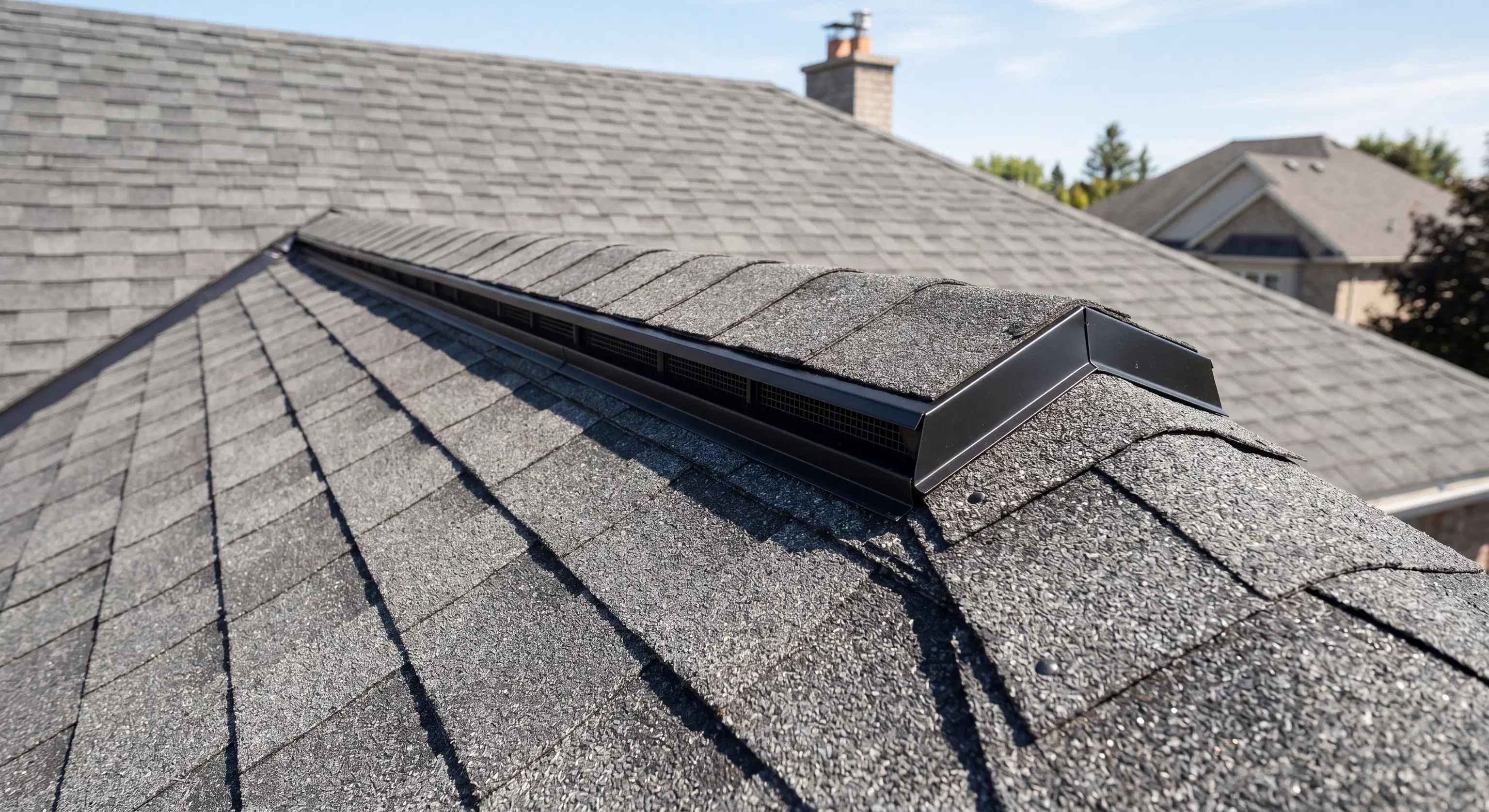
Ventilation is equally critical. We aim for a perfect 50/50 balance of intake (using continuous aluminum or vinyl soffit vents) and exhaust (using ridge vents). This constant flow of cold outside air keeps the roof deck a consistent temperature from top to bottom, stopping ice dams before they can even start. Taking care of these unseen elements during a fall roof replacement is the smartest way to safeguard your property.
Modern Technology and Transparent Scheduling
The roofing industry has seen significant technological advancements, and taking advantage of them can make your fall project much smoother. We utilize drone technology to provide fast, highly accurate aerial assessments of your home. This allows us to spot hidden issues safely and efficiently, and we even provide you with a personalized video of your roof's condition so you can see exactly what we see.
When planning a project this time of year, scheduling is everything. Because demand is highly seasonal, it is highly recommended to book your project four to eight weeks in advance. This lead time helps us secure materials and lock in a date before the snow begins to accumulate.
We also believe in complete transparency when it comes to unexpected surprises. It's not uncommon to tear off old shingles and find rotten wooden decking underneath. Our standard practice includes replacing up to three rotted decking boards without pausing your project. If we find extensive damage that requires more significant repairs to meet building codes, we stop work immediately. We will contact you, explain the situation clearly, and wait for your approval before moving forward. You will never be hit with surprise charges on your final bill.
Peace of Mind for the Season Ahead
At Roofers Roofing, our foundation is built on military values—loyalty, dependability, and a fierce dedication to protecting what matters most. We bring that same level of commitment to safeguarding your home. A late fall roof replacement doesn't have to be a stressful scramble against the clock; with the right materials, a thorough understanding of ventilation, and a reliable local crew, it can be a smooth process that leaves you perfectly prepared for whatever the weather throws our way.
If you are questioning whether your home is ready for the winter months, don't wait for a leak to find out. Contact our team in West Bend today to schedule a comprehensive evaluation, and let us help you build a defense that will stand strong for decades to come.