How to Stop Attic Heat Loss Before Wisconsin Winters
As the temperatures drop and the first signs of snow start appearing, homeowners across the region begin preparing for another long, freezing season. Whether you are getting your primary residence ready for the cold or prepping your cabin before heading Up North, keeping your home warm and your energy bills low is likely at the top of your mind. If you are noticing drafts or sky-high heating costs, the culprit might be right above your head. Stopping attic heat loss before winter is one of the most effective ways to protect your property and your wallet. Here at Roofers Roofing, we know that surviving a West Bend winter requires more than just a good furnace; it requires a roofing system built to handle the elements.
The Science of Heat Loss and Your Roof
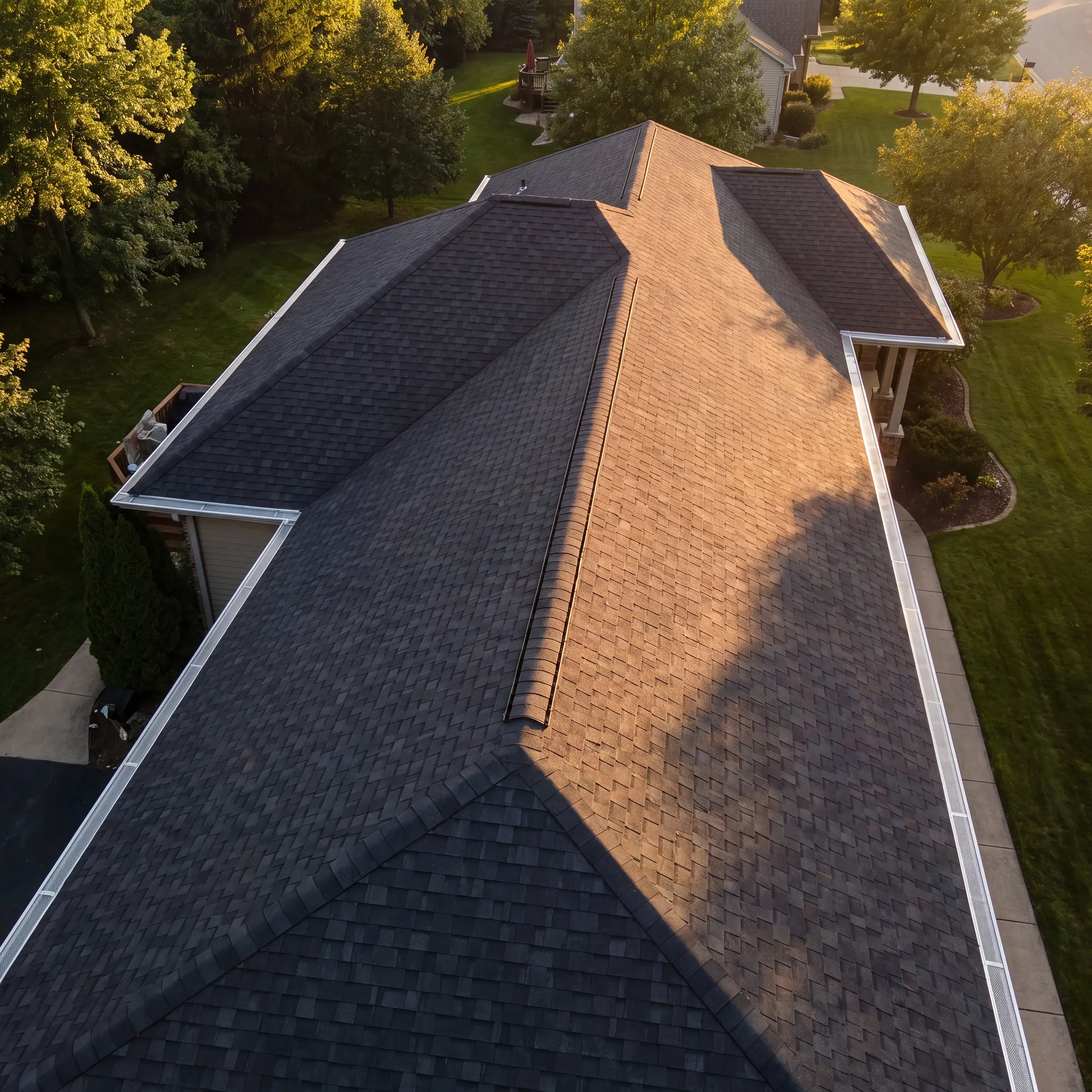
Many homeowners are surprised to learn that up to 40% of a home's heat loss occurs straight through the attic. Heat naturally rises, and if your attic is not properly sealed and insulated, the warm air you are paying to heat simply escapes through the roof. This not only leads to uncomfortable drafts but also forces your heating system to work overtime, inflating your seasonal energy costs. In fact, industry studies suggest that nearly 90% of homes are under-insulated.
Upgrading your attic's thermal boundary can increase your indoor comfort and reduce your heating and cooling needs by roughly 15%. When we evaluate a home for roofing services, we take a comprehensive look at the entire system. Addressing heat loss is just as important as replacing missing shingles when it comes to the long-term health of your home.
Signs Your Attic Needs More Insulation Before Winter
How do you know if you are losing heat? One of the most obvious signs is the rapid melting of snow on your roof, which often leads to dangerous ice dams. Inside the home, uneven temperatures between rooms and higher-than-average utility bills are clear indicators.
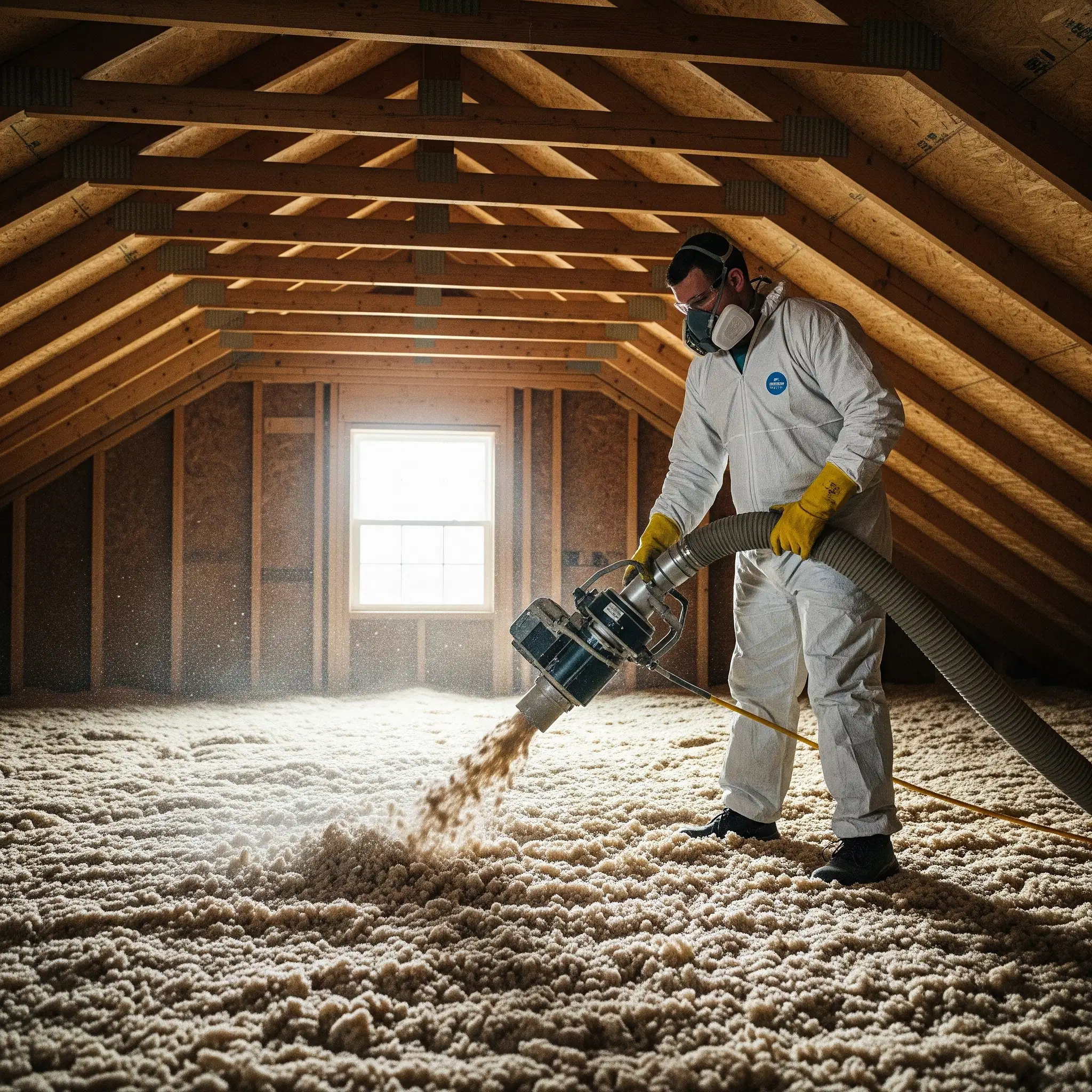
Fiberglass insulation traps air to resist heat transfer, a capability measured by its R-value. The higher the R-value, the better the thermal resistance. For our climate in Wisconsin, the recommended attic R-value is between R-49 and R-60. If your current insulation is thin, compressed, or falling below the floor joists, it is time for an upgrade.
We often find that small gaps are the biggest culprits. Items like attic hatch doors and pull-down stairways are notorious for leaking heat. By utilizing products like attic stairway insulators and specialized hatch bags, we can seal these gaps completely. If you suspect your home is losing heat, our team offers professional insulation installation and repair to secure your home's thermal envelope.
The Crucial Balance: Insulation and Ventilation
While adding insulation is essential for trapping heat inside your living spaces, your attic itself actually needs to breathe. This might sound counterintuitive when you are trying to stop heat loss, but proper airflow is what prevents condensation and ice dams. If warm air does escape into the attic, ventilation ensures it is safely carried outside before it can melt the snow on your roof and cause water to back up under your shingles.
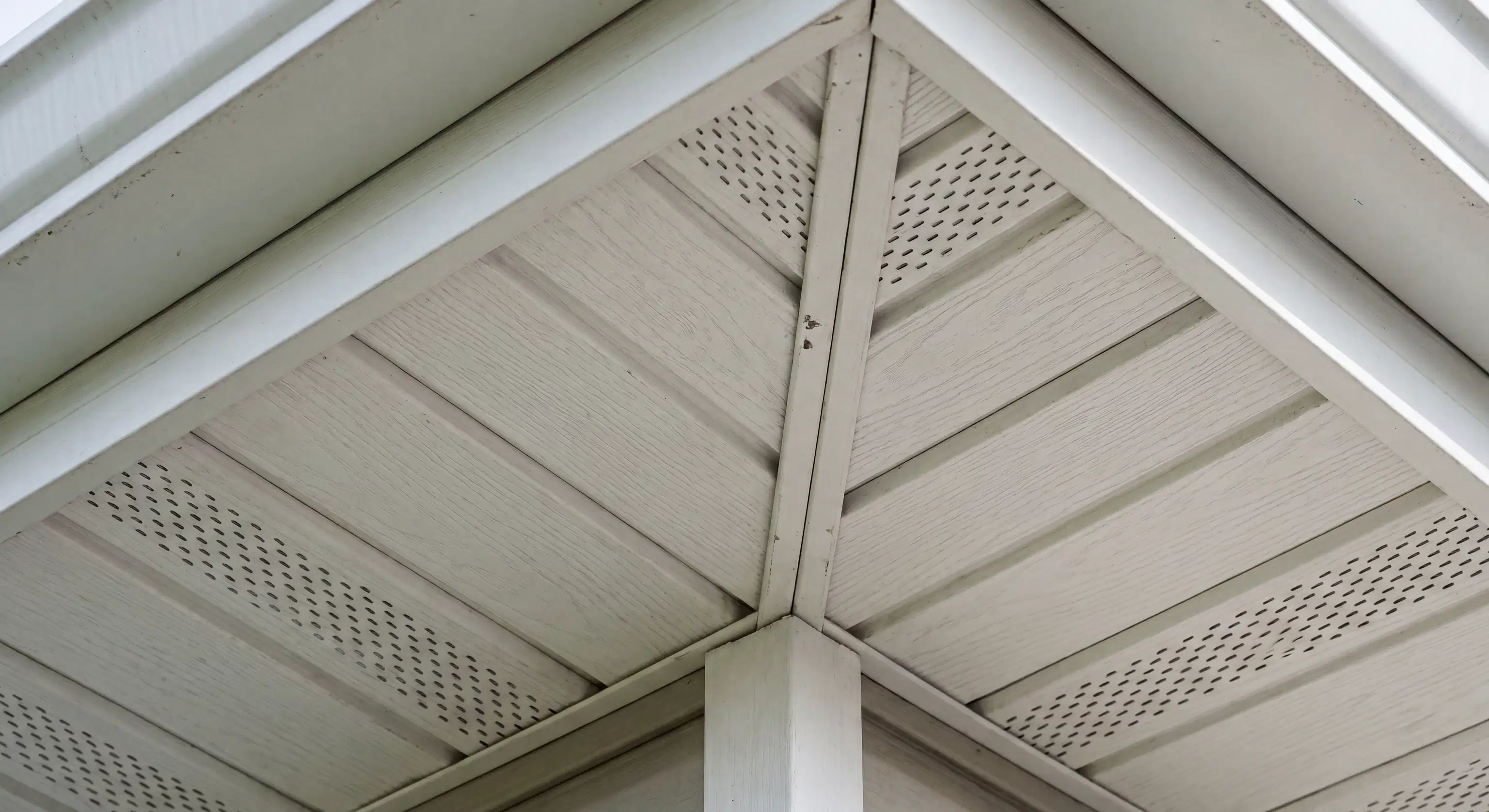
Our military background has taught us the value of precision and accountability, which is why we never guess when it comes to airflow. We aim for a perfect 50/50 balance of intake and exhaust ventilation, typically using 1 square foot of ventilation per 150 square feet of attic space. We utilize continuous aluminum or vinyl soffit vents for intake and high-quality ridge vents for exhaust. We also install baffles, like Durovent or AccuVent, to ensure that your new, thicker insulation does not block the soffits. Ensuring this balance is vital, and our experts are fully equipped to handle your roof ventilation installation and repairs.
Ready to Secure Your Home?
Do not wait for the lake effect weather to set in and freeze your energy budget. By addressing your attic insulation and ventilation now, you can enjoy a warmer, safer, and more cost-effective winter. At Roofers Roofing, we apply the same loyalty, dependability, and strong work ethic we learned in the military to every single job, treating your home as carefully as we would our own.
If you are concerned about your attic's winter readiness, reach out to us today. Our thorough evaluations will identify exactly where you are losing heat and provide a clear, dependable plan to fix it. Contact us today to schedule your consultation and keep the cold where it belongs—outside.